September 20, 2026
A living room rug takes more punishment than almost anything else in the room. It absorbs the footfall of everyone who walks through, the crumbs from Sunday lunch, the muddy paw prints, and the daily grind of a sofa leg shifting half a centimetre at a time. So the choice between wool and cotton matters less in the showroom than it does three years later, when one rug still looks like a rug and the other has been quietly demoted to the garage. Both fibres can work beautifully. They simply wear out in different ways, and knowing which trade-off you can live with makes the decision much simpler.
Durability: which fibre holds its shape?
Wool is the stronger performer. Each wool fibre is naturally crimped and coiled, which means it compresses underfoot and then springs back. That resilience is why wool rugs resist flattening in walkways, why they hide the dents left by furniture, and why a good wool rug can stay in a family living room for a decade or more. Wool also holds soil near the surface rather than letting it work deep into the pile, so regular vacuuming removes much of the grit before it abrades the fibres.
Cotton behaves quite differently. It is a strong fibre, but it has little of wool's bounce. Flatwoven cotton rugs — the woven, reversible kind you see in striped or geometric patterns — tend to flatten along the paths people walk most. The upside is that many are reversible, so you can flip them and even out the wear. Cotton is also far cheaper to replace, which matters if the rug sits where children eat.
With either fibre, two habits extend life considerably: put a decent anti-slip underlay underneath, and rotate the rug every few months so sunlight and footfall are shared around.
Comfort and warmth underfoot
Wool feels warmer and more forgiving
Wool insulates, so it takes the chill off tiles, stone and bare floorboards. A thick wool pile feels soft and slightly springy, and it deadens sound — helpful in a room with hard floors and high ceilings.
Cotton feels cooler and firmer
Cotton flatweaves are thin. That is part of their appeal in warm rooms and smaller spaces, and they sit neatly under doors. But they offer little cushioning, so if you like to sit on the floor, a cotton rug over a hard surface will feel like exactly that.
Cleaning: where the two really separate
Wool is naturally soil-resistant and releases dirt readily, but it dislikes harsh treatment. Alkaline cleaners, bleach and hot water can dull or damage it, and heat plus agitation can cause felting. Cotton absorbs spills quickly, which means stains set faster, but it stands up to more vigorous washing — and smaller cotton rugs often go in the machine.
For everyday marks, this routine works on both:
- Blot, don't rub, with a clean white cloth or kitchen paper. Rubbing pushes the stain into the pile.
- Work from the outside of the stain inwards so you don't spread it.
- Test any cleaner on a hidden corner first, then use lukewarm water with a mild detergent or a wool-safe product.
- Blot again rather than soaking. A damp rug left on a cold floor is asking for trouble.
- Dry flat, away from radiators and direct sun, lifting the rug to dry both sides.
Vacuum weekly either way. On a looped wool rug, switch off the beater bar or use a suction-only setting, as the brush can tug at the loops.
Pets and children
A wool rug copes well with general family chaos. It hides crumbs, resists crushing where children run, and doesn't look tired after a year. The weak point is claws: cats and dogs can snag a looped wool weave, pulling threads. A cut-pile wool rug handles claws far better than a looped one.
Cotton suits spills. A washable cotton flatweave near the door or under the dining table is a sensible, forgiving choice, and you won't wince when squash goes over. What cotton won't do is disguise stains — pale cotton shows everything, so choose a mid-tone or a busy pattern.
British homes: damp, heating and season
In a cool, humid house, wool is the more comfortable fibre. It handles changes in humidity without holding onto moisture in the same way, whereas a cotton rug left against a cold, damp floor can start to smell musty. Neither fibre should sit directly on a floor that feels wet to the touch; if that is your situation, sort the damp first and add a breathable underlay.
Underfloor heating is usually fine with both, but wool insulates slightly, so heat passes through more slowly. Check the manufacturer's guidance for your specific rug and keep the surface temperature moderate.
A quick way to decide
- Cold room, hard floor, heavy footfall: wool, cut pile, with underlay.
- Small children, regular spills, tight budget: cotton, ideally machine washable.
- Claws in the house: avoid looped wool; choose cut pile or a tight flatweave.
- Warm room, doors to clear, quick refresh wanted: cotton flatweave.
- You want one rug to last a decade: wool costs more upfront but usually costs less per year.
Buying well and living with it
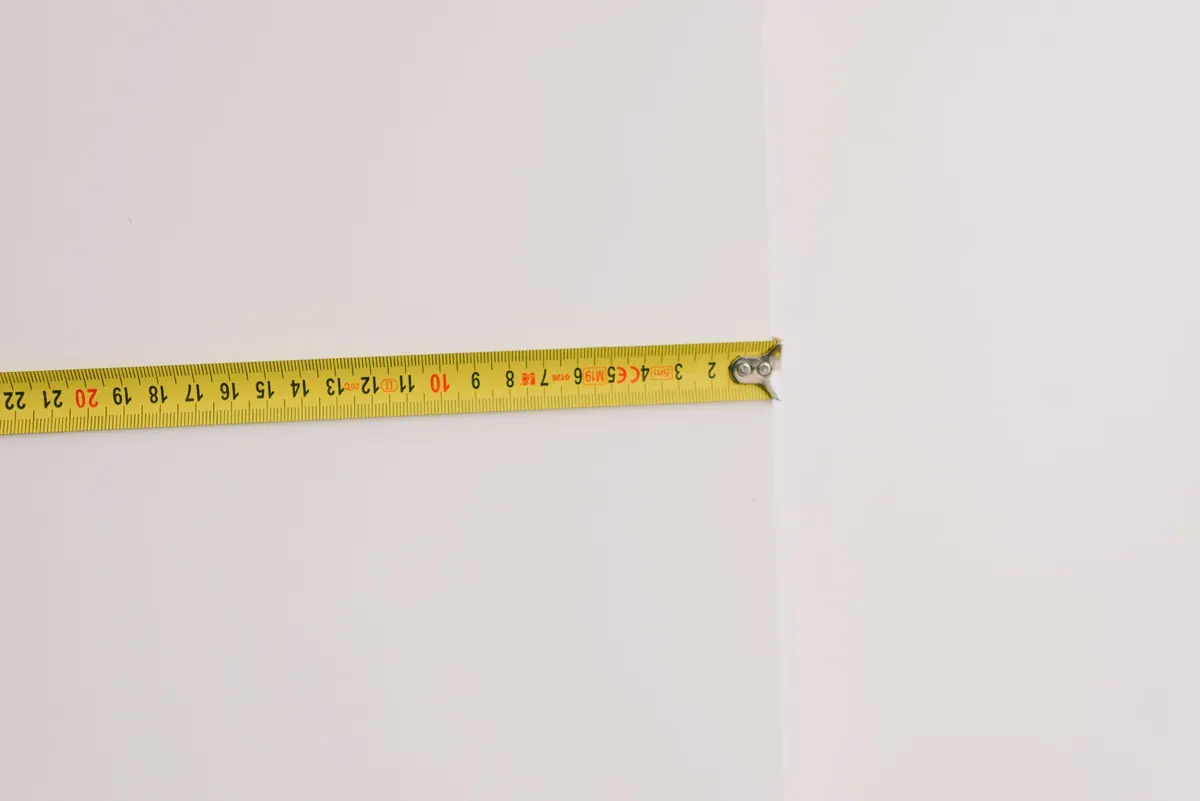
Size matters as much as fibre. In a sitting room, the rug should reach under the front legs of the sofa and chairs so the seating group sits together rather than floating. Measure the space before you shop, and take a photo of the floor and the light at different times of day.
Then keep it going: vacuum weekly, rotate every few months, deal with spills the same day, and have a wool rug professionally cleaned every year or two depending on traffic. If you're torn, a wool rug in the main seating area with a washable cotton runner by the door gives you the best of both — one rug that lasts, another that takes the hit.
Photo: Pexels / Pixabay