October 01, 2026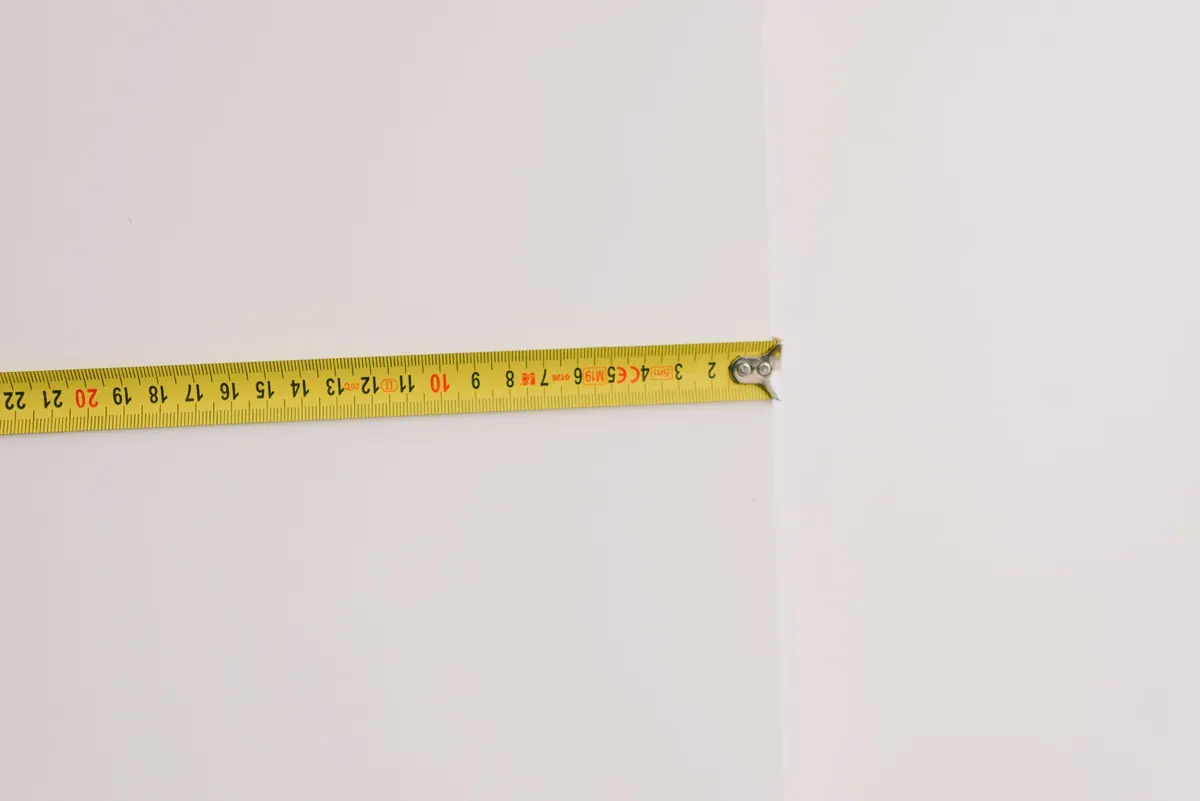
A sofa that looked perfectly modest in the showroom can arrive, get wedged in the hallway, and turn out to swallow your living room whole. Showrooms are large, brightly lit and almost empty; your front room has a chimney breast, a radiator, a door that opens inwards and a coffee table you are rather attached to. The problem is almost never the sofa. It is the numbers.
Learning to read furniture measurements is a genuinely useful skill, and it takes about twenty minutes. Below is what each dimension means, which ones decide whether a piece fits, and how to plan a layout for a small or standard UK room before you spend anything.
What furniture dimensions actually mean
Almost every sofa, table and chair is listed with three measurements: width, depth and height. Read them in that order and you will avoid most expensive mistakes.
Width
This is the number that decides whether a piece fits along a wall, between two windows, or through your front door. For sofas, width is measured across the outside of the arms rather than the seating area, so a chunky three-seater can be 30cm wider than a slim one with the same amount of seat.
Depth
Depth runs from the front of the piece to the back. A sofa that is 100cm deep eats almost twice the floor space of one at 85cm, which matters far more than width in a narrow room. Seat depth is a separate figure: around 50–55cm suits most people sitting upright, while 60cm or more is for lounging.
Height
Height governs sightlines. A sofa with a low back keeps a small room feeling open, whereas a high-backed design will block the view from the doorway. For tables, height is non-negotiable: standard dining tables sit at about 75cm, with seats at roughly 45cm.
It is also worth checking the numbers that do not always appear in the listing:
- Diagonal depth — the measurement from the front of the seat to the top back corner. This is what decides whether a sofa gets round a tight turn.
- Seat height — usually 40–45cm. Higher seats are easier to get out of; lower ones suit lounging.
- Arm height — anywhere from 55cm to 70cm. It sets where side tables and cushions sit.
- Clearance underneath — whether a rug will tuck under, and how much vacuuming space you will get.
Sofa sizes: what fits where
As a rough guide, armchairs run 80–100cm wide, two-seaters 150–170cm and three-seaters 190–220cm. Corner sofas typically need 250–280cm along the longest run, plus a clear return leg. Numbers vary by maker, so check the individual listing rather than the label.
Room size matters just as much. A Victorian terraced front room is often around 3.5m by 3.5m, a newer-build living room is commonly nearer 4.5m by 3.5m, and a box room might be 2.5m square. In anything under about 3.5m, a two-seater plus an armchair usually works harder than a large three-seater, because you can angle the two pieces instead of lining them up against one wall.
Then leave yourself a route through. Aim for at least 45–60cm of clear floor as a walking path, and 75–90cm where it is the main way in and out of the room.
If you have to turn sideways to get past it, the room is telling you something.
Table sizes, by the seat
For dining, allow about 60cm of table edge per person, and 70–75cm if you want proper elbow room. A table 75–80cm deep takes two rows of place settings facing each other; 90cm is comfortable and leaves space for serving dishes.
- Two people: a 70–80cm square or round table.
- Four people: roughly 120cm by 75cm, or a 110cm round.
- Six people: 150–180cm by 90cm.
- Eight people: 200–240cm by 90–100cm.
Round tables earn their keep in small rooms. They have no corners to bruise yourself on and you can squeeze past more easily. Square tables also save more floor than an oblong with the same number of seats.
Coffee tables follow a simpler rule: length around two-thirds of the sofa, top within a few centimetres of the seat height, and a 40–45cm gap from the sofa front — close enough to reach a mug without standing up. Side tables should sit level with, or slightly above, the sofa arm.
Measure the room, not just the wall
Do this once, properly, and every future purchase gets easier.
- Sketch the room on graph paper. One square to 10cm works well.
- Mark every fixed element: doors and their swing, windows, radiators, chimney breasts, sockets and any boxed-in pipework.
- Walk the delivery route and note the narrowest point — often a 76cm doorway, a hallway turn or a stair bend.
- Check the diagonal depth of the sofa you are considering against that narrowest point.
- Lay masking tape or newspaper on the floor in the footprint. Live with it for an evening.
- Mark the walkways in tape as well. This is where most layouts fail.
Planning a layout that works
Start with the anchor point — usually a fireplace, a television or a window. Put the main sofa where it can face that without blocking the route through the room, then build outwards: coffee table, side tables, rug, lighting.
In small rooms, resist the urge to float furniture in the middle. Pushing the sofa back against the wall usually buys more usable floor, and a rug that reaches under the front feet of every seat will pull the arrangement together. In narrow rooms, two smaller seats facing each other across a slim side table often beat one corner sofa.
Keep the heights varied but generous: low-backed seating, a glass or slim-legged coffee table and taller lighting will make the ceiling feel higher than it is.
Before you buy: a quick checklist
- Measure the doorway, then measure it again at its narrowest point, door handles included.
- Check whether the sofa arms or legs unscrew — this can gain you 10–15cm.
- Measure stairwell ceiling height and any turns if delivery is going upstairs.
- Confirm the returns policy in case it simply does not feel right in the room.
- Judge fabric and colour against the light the room actually gets, not the showroom's lighting.
None of this is complicated, but it does need a tape measure and ten quiet minutes. Get the numbers right and the room will feel considered. Get them wrong and no amount of styling will hide a sofa that is fighting for space.
Photo: Ksenia Chernaya / Pexels