September 26, 2026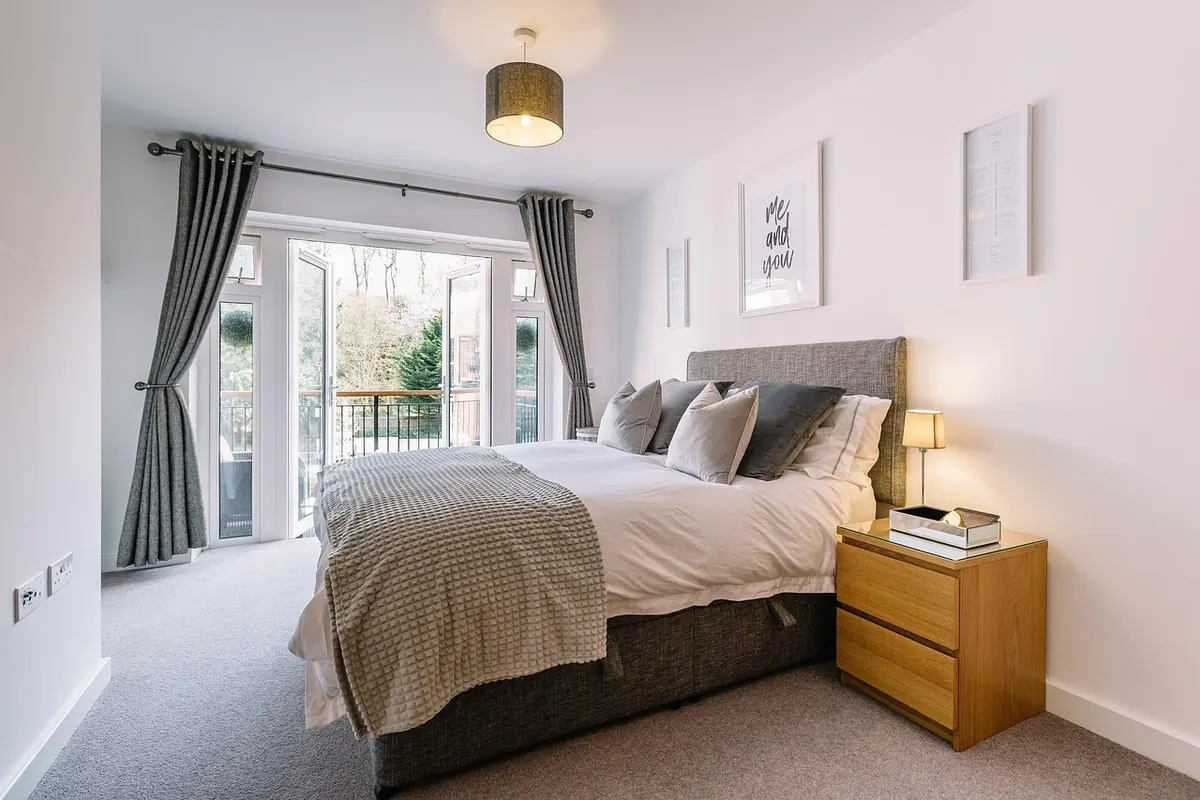
Nobody sets out to ruin a bedroom. You buy a bed, choose a paint colour, hang a curtain, and at some point the room quietly stops working. The wardrobe door won't open past the bedside table. You read by a ceiling light that also wakes whoever is next to you. The chair in the corner has become a laundry pile with opinions.
Almost all of these problems are fixable, and most fixes cost less than the mistakes did. Here are the seven errors that come up again and again, and what to do about each one.
1. Furniture bought before the room was measured
This is the expensive one. A super king bed sounds generous until it meets a chimney breast, and a two-door wardrobe looks modest in a showroom and enormous in a small back bedroom.
Before you order anything, do this:
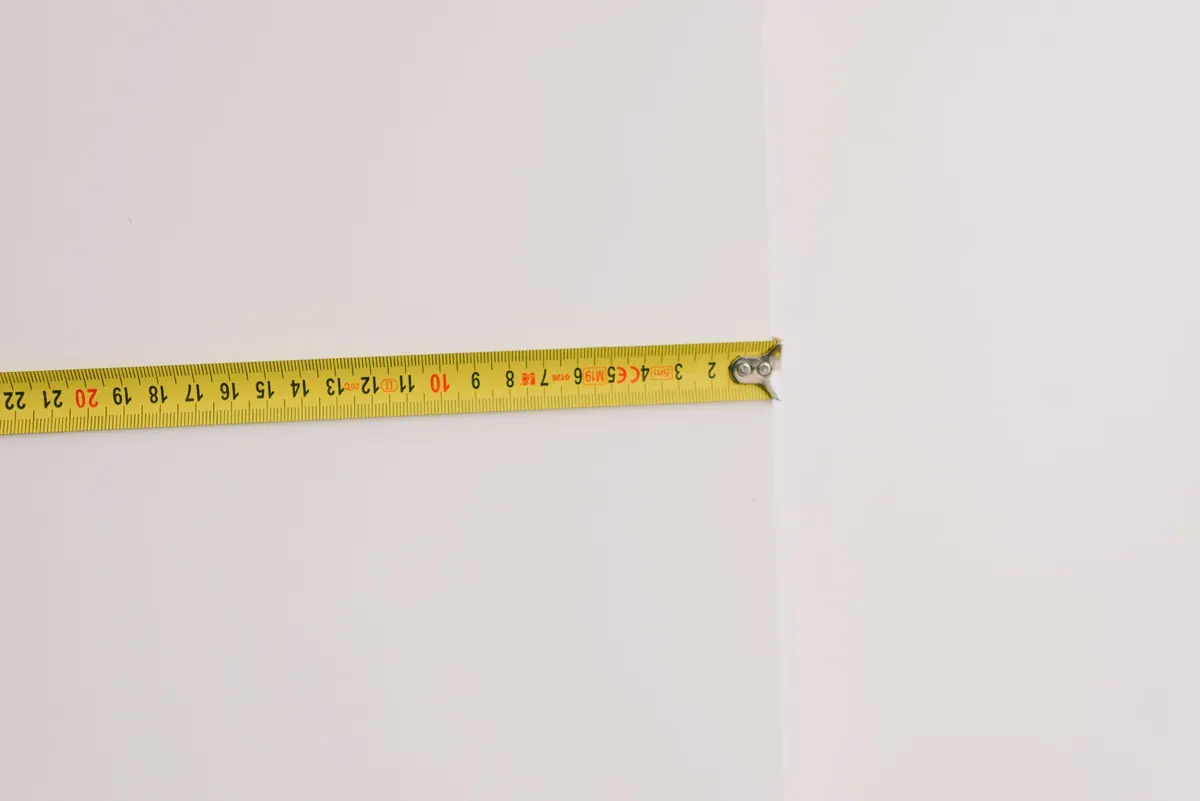
- Measure the room at floor level, skirting to skirting, and write the figures down somewhere you'll keep them.
- Mark the furniture footprints on the floor with masking tape: bed, bedside tables, wardrobe, chest.
- Leave at least 60cm between the bed and any wall you walk past, and 75cm in front of wardrobe doors so they can open fully.
- Live with the taped layout for a week. Anything you keep stepping over is in the wrong place.
If a piece is already too big, you don't necessarily have to replace it. Swapping hinged wardrobe doors for sliding ones, or moving a chest out to the landing, can recover the space without a new purchase.
2. One ceiling light trying to do three jobs
A single pendant in the middle of the ceiling lights the top of the room and leaves the bed in shadow. It's also the worst possible light for reading in bed, because it shines across both sleepers at once.
Aim for three layers instead:
- Ambient: the ceiling light, ideally on a dimmer, for cleaning and finding things.
- Task: a bedside lamp or wall light, with the shade at roughly eye level when you're sitting up in bed, so light falls on the page rather than in your face.
- Accent: a small lamp on a chest or a warm glow behind the headboard, for winding down.
Bulb colour matters as much as the fitting. Look for warm white around 2700K, and put both bedside lights on separate switches so one of you can read while the other sleeps. If your bedside tables are tiny, wall-mounted reading lights or slim pendants hung either side of the bed free up the surface entirely.
3. Everything pushed flat against the walls
When a room feels small, the instinct is to shove every piece against the skirting to open up the middle. The result is usually a wide, empty centre and a cramped, awkward perimeter.
Try pulling the bed a few centimetres off the wall, or centring it on the main wall with a bedside table either side. If the room is too narrow for that, put the bed in the corner but balance it with a rug that extends past the foot, so the sleeping area reads as a deliberate zone rather than a leftover gap. In a larger room, floating the bed with a low bench behind it solves the headboard-against-nothing problem nicely.
4. The bed itself has been left unfinished
Beds take up more visual space than anything else in the room, so a bare divan with an undersized duvet will drag the whole scheme down.
Two easy upgrades. Choose a duvet one size up from the mattress, so a king duvet on a double bed gives proper drape at the sides. Then add a headboard: upholstered, timber, or even a large painted panel fixed to the wall. What matters is that it's a little wider than the mattress and tall enough to lean against comfortably when you're sitting up.
5. Storage treated as an afterthought
Bedroom clutter is rarely a discipline problem. It's a storage problem wearing a disguise. If clothes, books and chargers have nowhere to live, they will live on the floor and on the nearest flat surface.
Sort storage by what you actually do in bed. Anything you need within arm's reach belongs in a bedside drawer or on a narrow shelf: book, glasses, water, phone. Everything else can go further away. Under-bed boxes on castors are the cheapest square footage in the house, shallow drawers under the bed are ideal for spare bedding, and a tall narrow wardrobe almost always stores more than a wide low one taking up the same floor area.
6. A scheme that fights sleep
Strong colours, busy wallpaper and high-gloss finishes belong in halls and dining rooms. Behind a bed they keep the eye busy at exactly the moment you want it to settle. Mirrors facing the bed can also be startling in the dark, and a television at the foot of the bed invites a late night you didn't plan.
None of this means settling for beige. It means keeping the strongest pattern and colour away from the head of the bed, and choosing matt or chalky finishes on walls. Deep greens, inky blues and warm neutrals all work well when they're calm rather than loud, and they make a bedroom feel considered rather than bland.
7. Stopping before the last layer
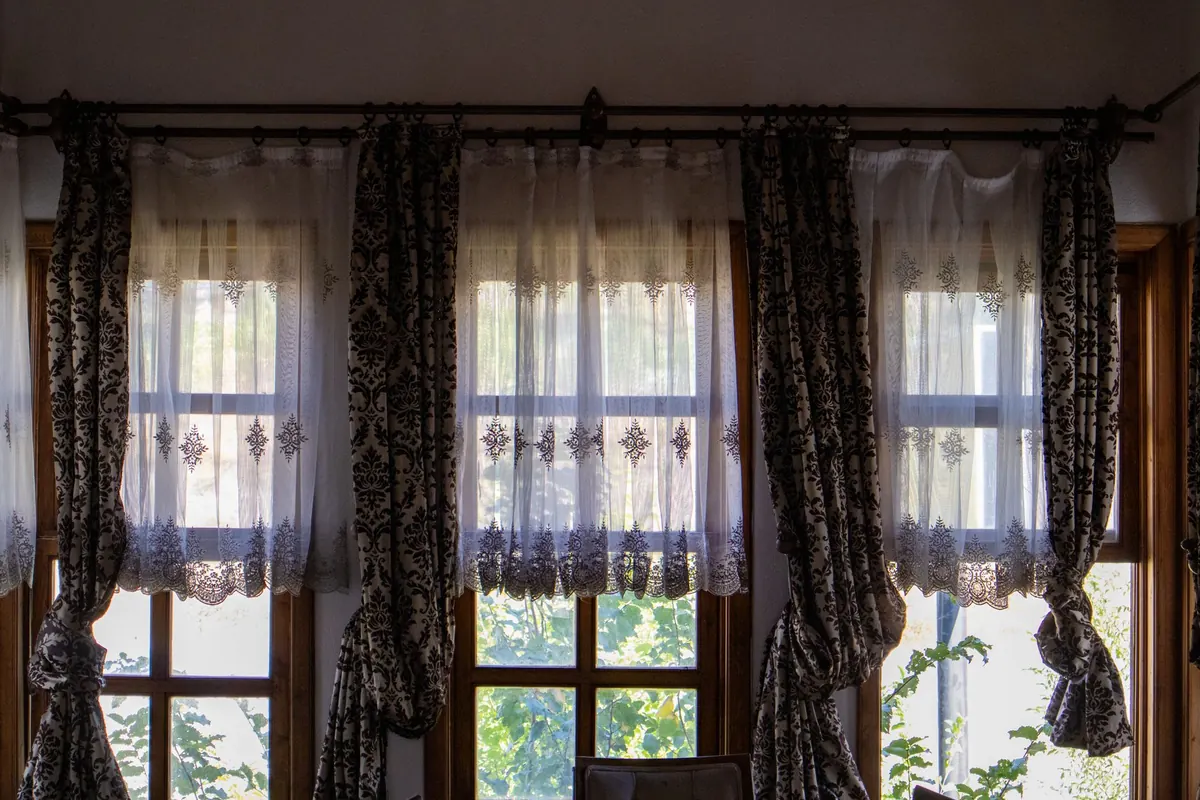
Curtains that finish at the windowsill, a bare floor and one flat cushion are what make a finished room look unfinished. Hang curtains high and wide, close to the ceiling with the track extending past the window frame, so the window appears larger and the ceiling higher. Choose a rug that reaches at least 50cm beyond either side of the bed if space allows, or run a narrow runner along each side if it doesn't. Then add texture: a throw, a linen cushion or two, something aged or handmade.
A quick checklist before you spend anything
- Measure the room and tape out the layout first.
- Give yourself two light sources you can switch separately.
- Keep walking routes at 60cm minimum.
- Buy the duvet one size up from the mattress.
- Clear every surface apart from the bedside table.
- Finish with curtains, a rug and one soft layer.
Fix two or three of these and the room will feel noticeably better without a full redesign. Start with the lighting and the layout, because they cost the least and change the most.
Photo: StuBaileyPhoto / Pixabay